
Australia’s Higher Degree by Research (HDR) training system is critical to our future economic strength. It provides a highly qualified research workforce, enabling research and innovation across the academic, industry, government and not-for-profit sectors, as well as contributing substantially to Australia’s and the world’s body of knowledge.
The Minister for Education and Training announced that the Australian Council of Learned Academies (ACOLA) had been commissioned to undertake a review of Australia’s research training system, to ensure that it meets the country’s research needs in the 21st-century.
The review examined the areas outlined in the terms of reference (PDF) set by the Minister for Education and Training, and reported to the Australian Government in March 2016.
The review has engaged widely with stakeholders, including higher education and research institutes, HDR candidates and graduates, peak bodies, industry, business groups, government agencies, experts, and not-for-profit organisations in order to deliver evidence-based findings which identify opportunities to improve Australia’s HDR training system.
Those interested in the review were invited to contribute by written submission or participation in public forum consultation events held in October and November 2015.
“The Review of Australia’s Research Training System report provides a blueprint for supporting and strengthening our research training system” - Professor Andrew Holmes
Launch of the Research training system review
Review of Australia’s Research Training System was launched by the Minister for Education and Training, Senator the Hon Simon Birmingham during his speech at the Knowledge Nation Summit in Sydney on Thursday 14 April 2016
The Australian Council of Learned Academies has appointed the Expert Working Group to conduct the Review of Australia’s Research Training System, as announced by the Minister for Education and Training in May 2015. The Expert Working Group will meet, and then call for written submissions from interested parties. This will be followed by a period of consultations in various locations around Australia.
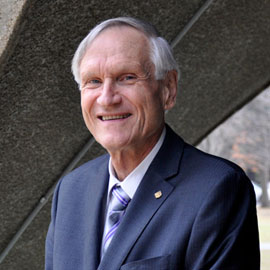
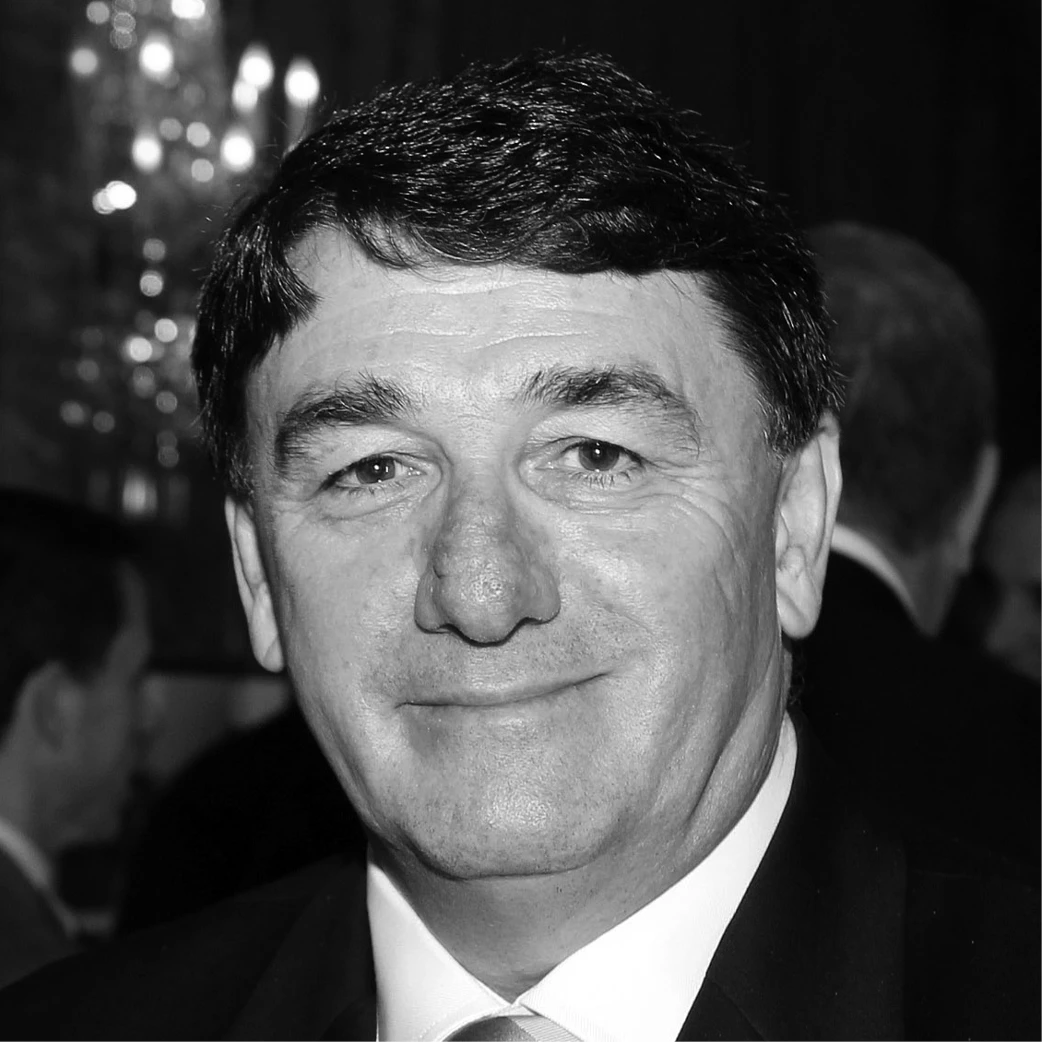
Professor Michael Barber
FAA FTSE


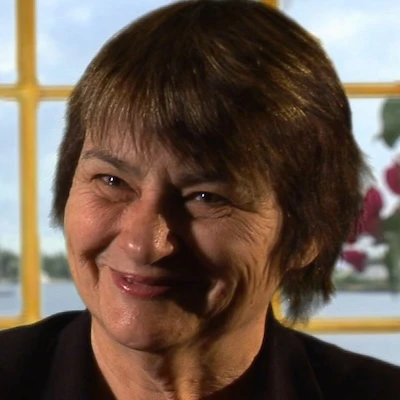
Professor Stephen Garton
AM FAHA FASSA FRAHS FRSN Chair (interim) at ACOLA, President at Australian Academy of the Humanities
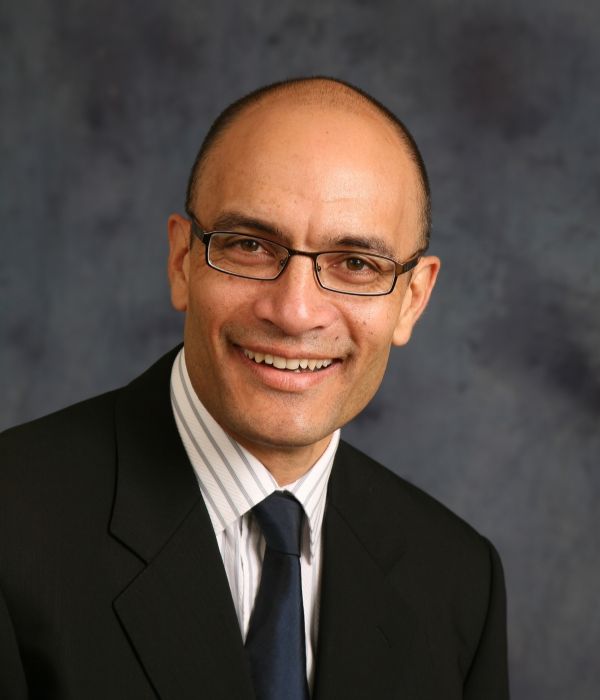
Professor James McCluskey
AO FAA FAHMS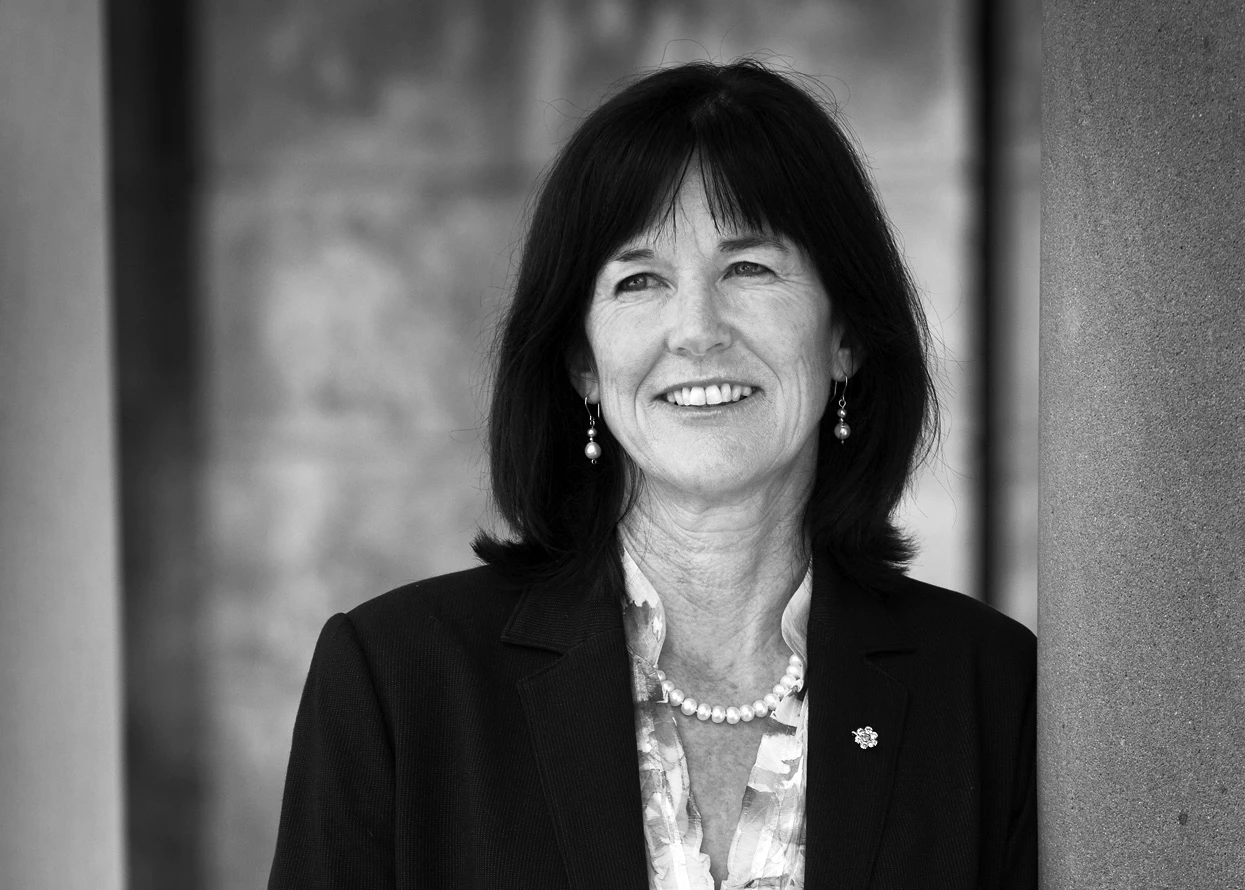
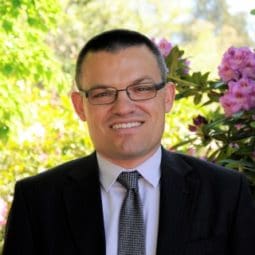
Professor Robyn Owens
FAA FTSE




ACOLA gratefully acknowledges the contribution of the Australian Government through the Commonwealth Science Council; Australian Research Council and the Office of the Chief Scientist. This research was funded by the Australian Government through the Australian Research Council.

The Expert Working Group is grateful to stakeholders who have contributed to this Review through written submissions, consultation workshops and interviews. Stakeholder contributions are listed under Evidence Gathering. This Review would not have been possible without the enthusiastic engagement of so many stakeholders around Australia, from the higher education, industry, and government sectors, as well as from HDR candidates themselves. Particular thanks go to the Australian Council of Graduate Research for their constant engagement and advice throughout the review process.
Project management services were provided collaboratively by the Australian Academy of Technology and Engineering and the Australian Academy of Science. These contributions are gratefully acknowledged.
The Expert Working Group also thanks the Office of the Chief Scientist and the Department of Education and Training for guidance and advice throughout the Review.